
Frank Kafka Museum, Prague: Tickets and Info
This website offers official tickets for this venue. Please note, however, that it is not the official website of the venue.
Franz Kafka Museum: Ticket + Introduction
Highlights
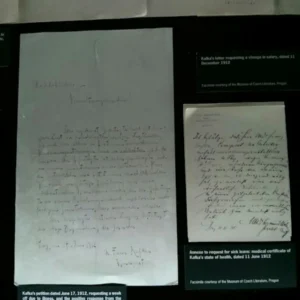
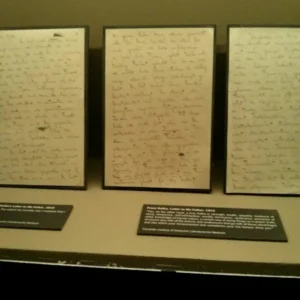
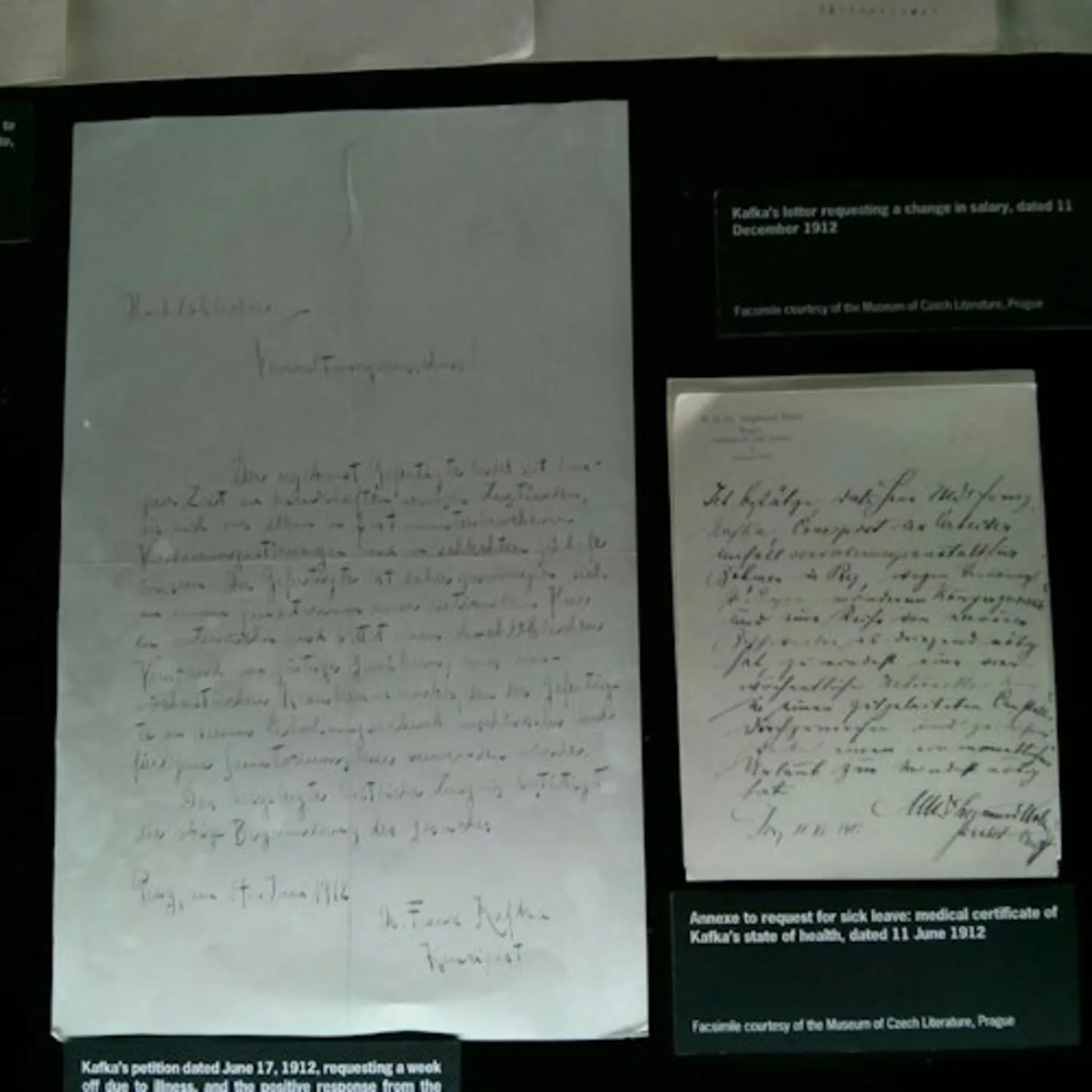
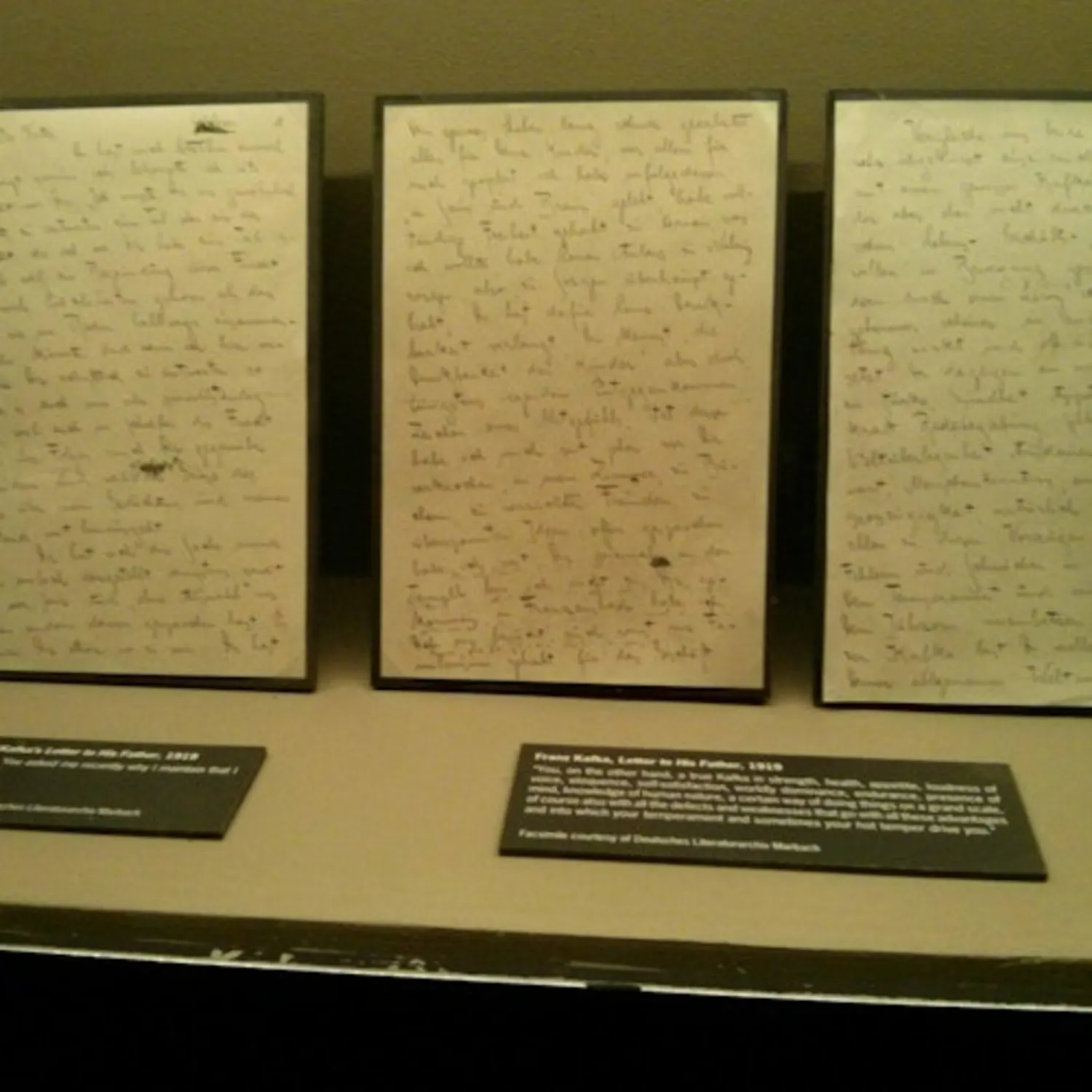
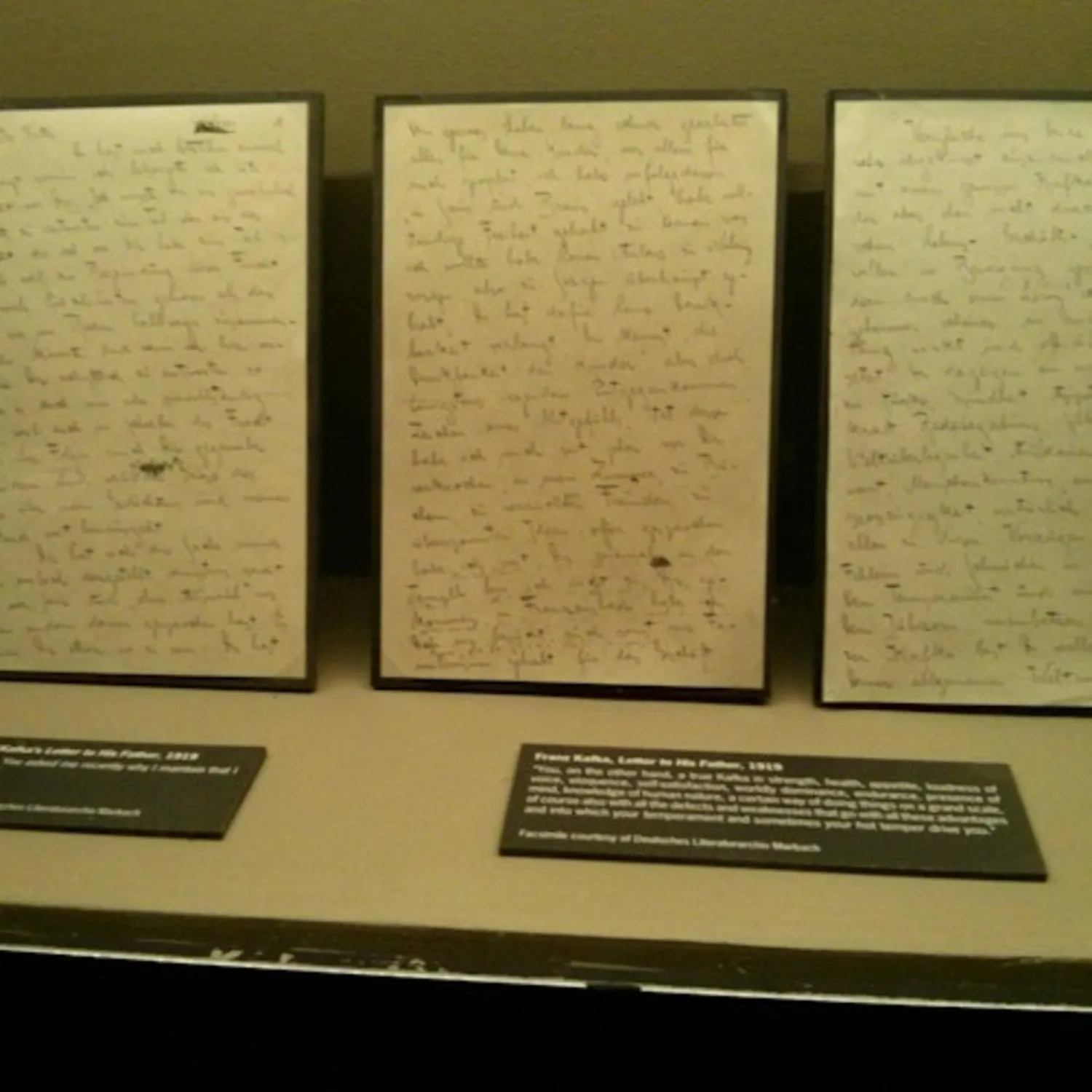
Discover original manuscripts, letters, diaries, and photographs from Kafka’s life.
Enjoy modern multimedia exhibits including 3D installations and an exclusive soundtrack.
Benefit from a 20-minute guided introduction inside the museum before your visit.
Explore exhibits showcasing never-before-seen materials presented in Prague.
Visit a museum dedicated to one of the most influential writers of the twentieth century.
Good to Know Before Visiting the Franz Kafka Museum
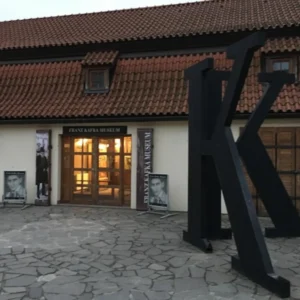
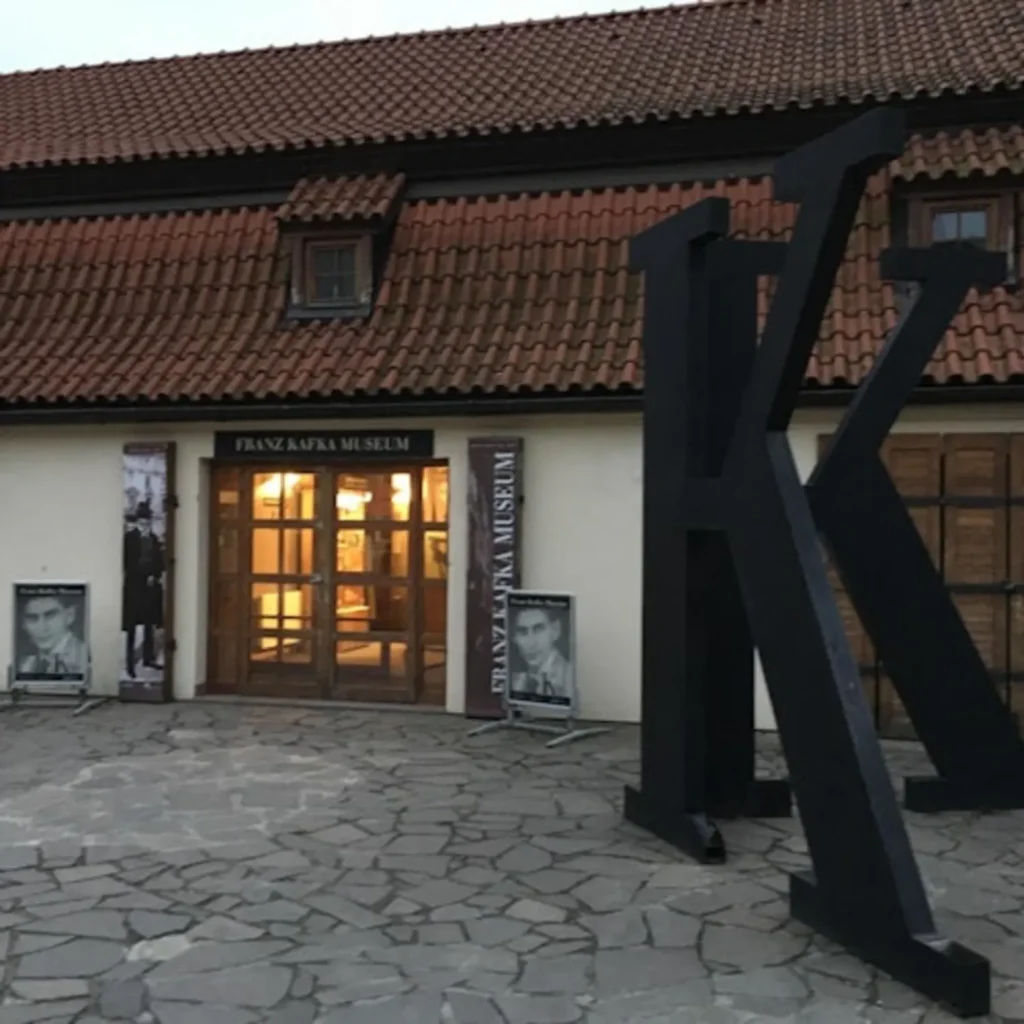
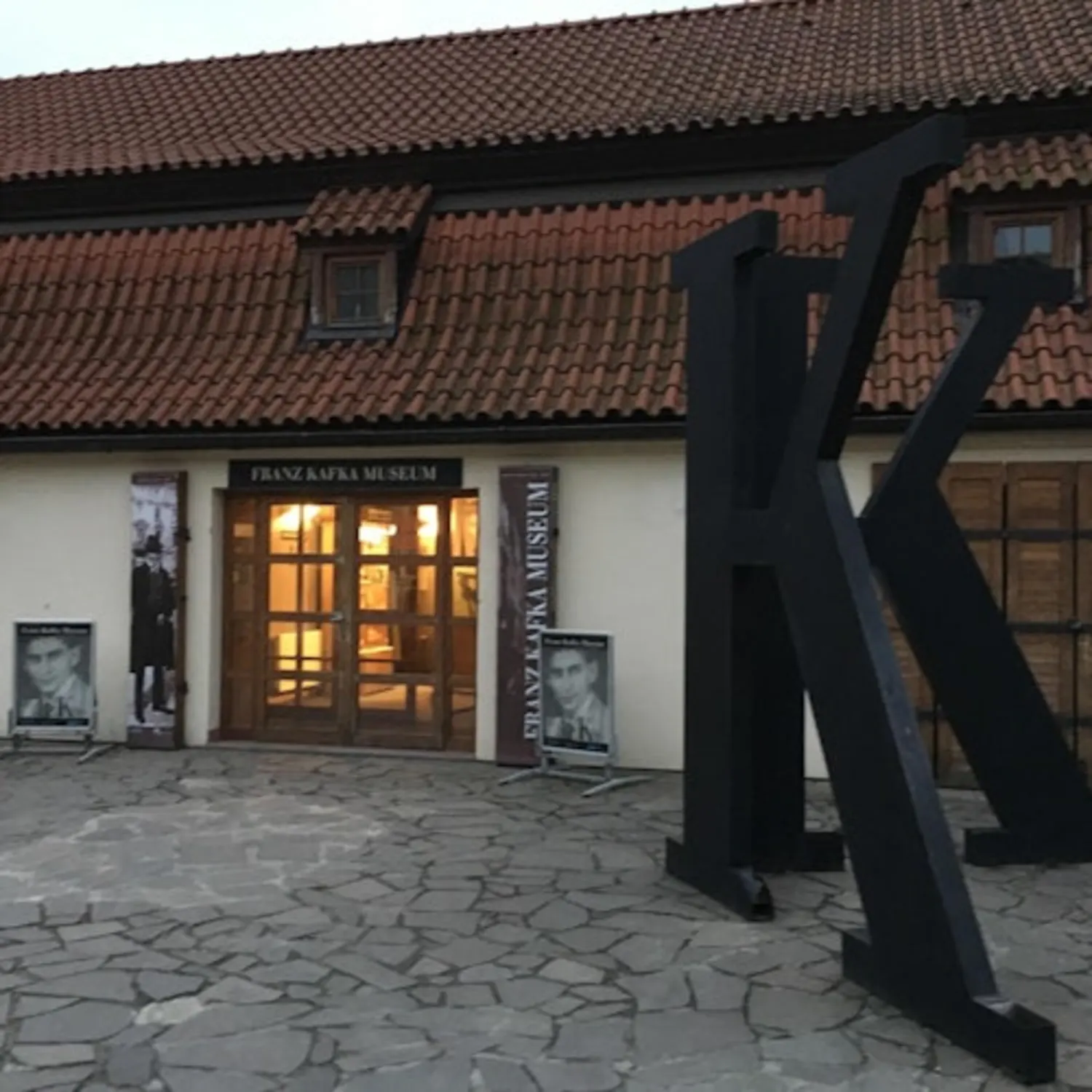
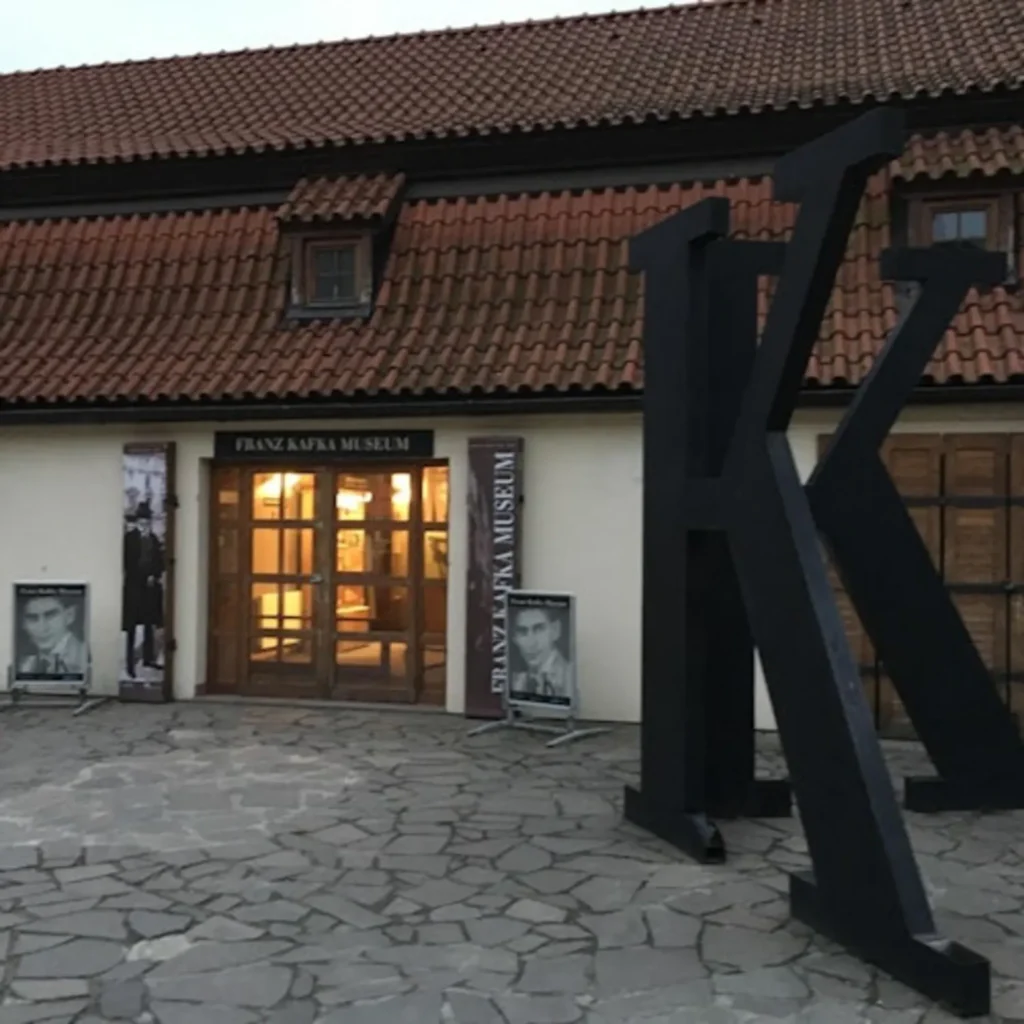
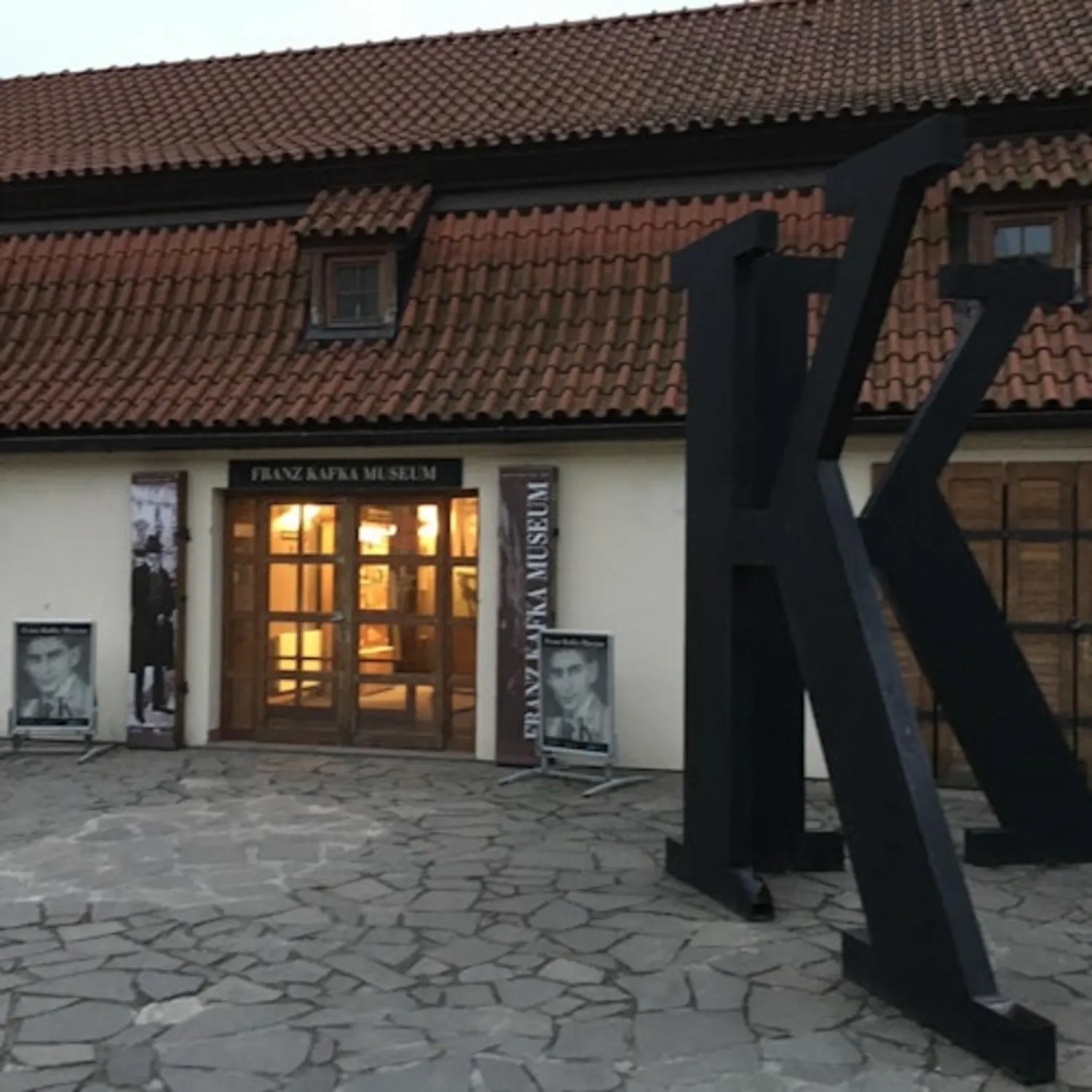
The museum is located in the Hergetova cihelna, a former 18th-century brickworks in the Malá Strana district.
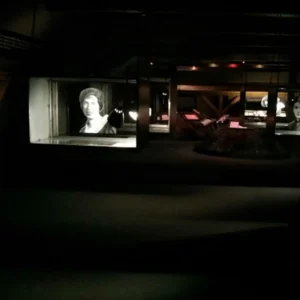
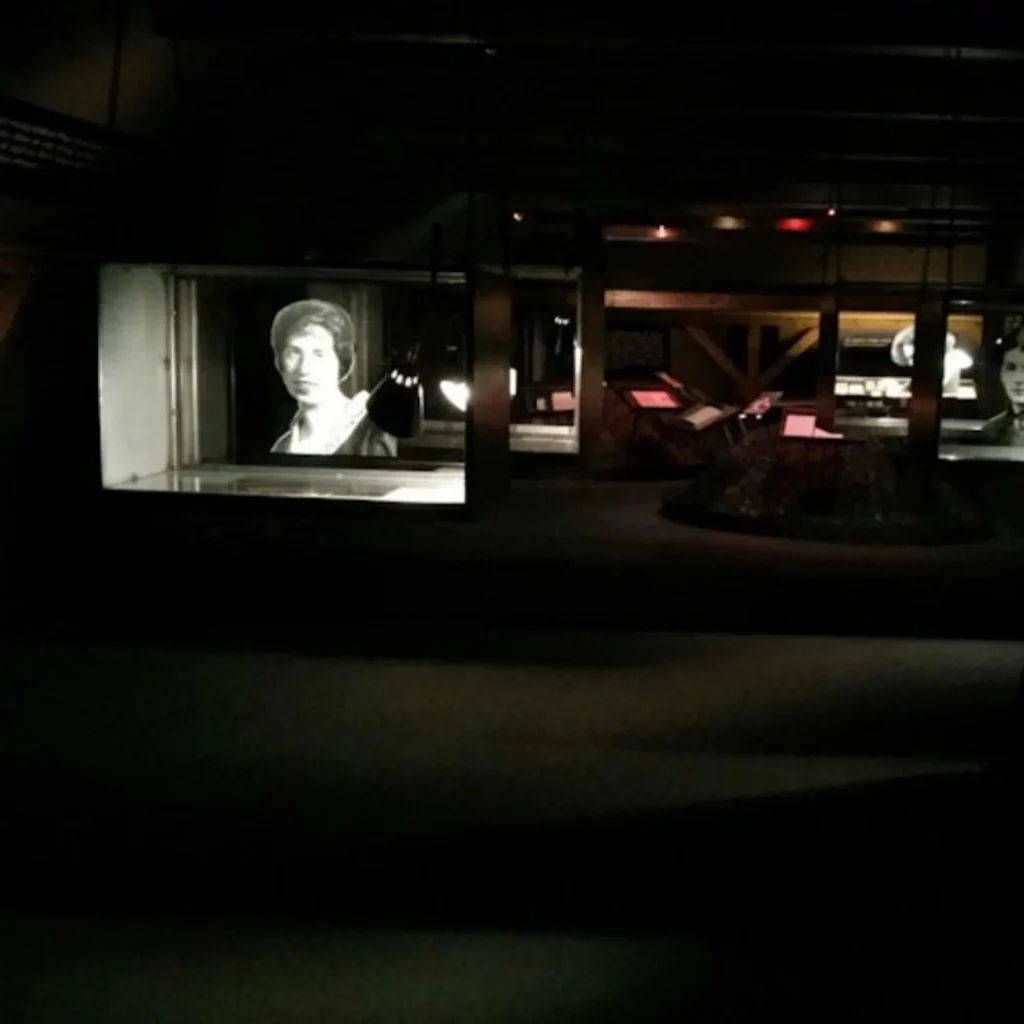
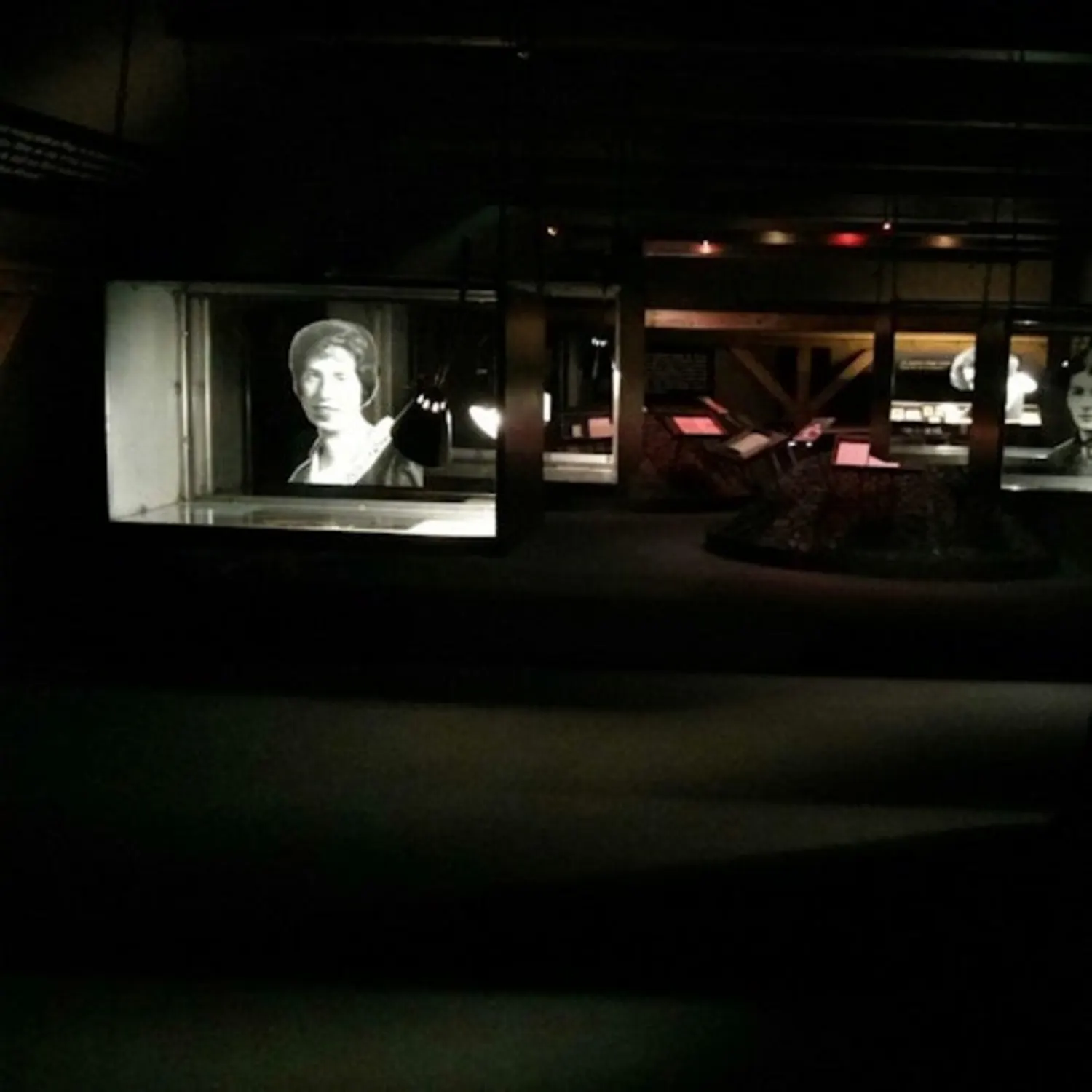
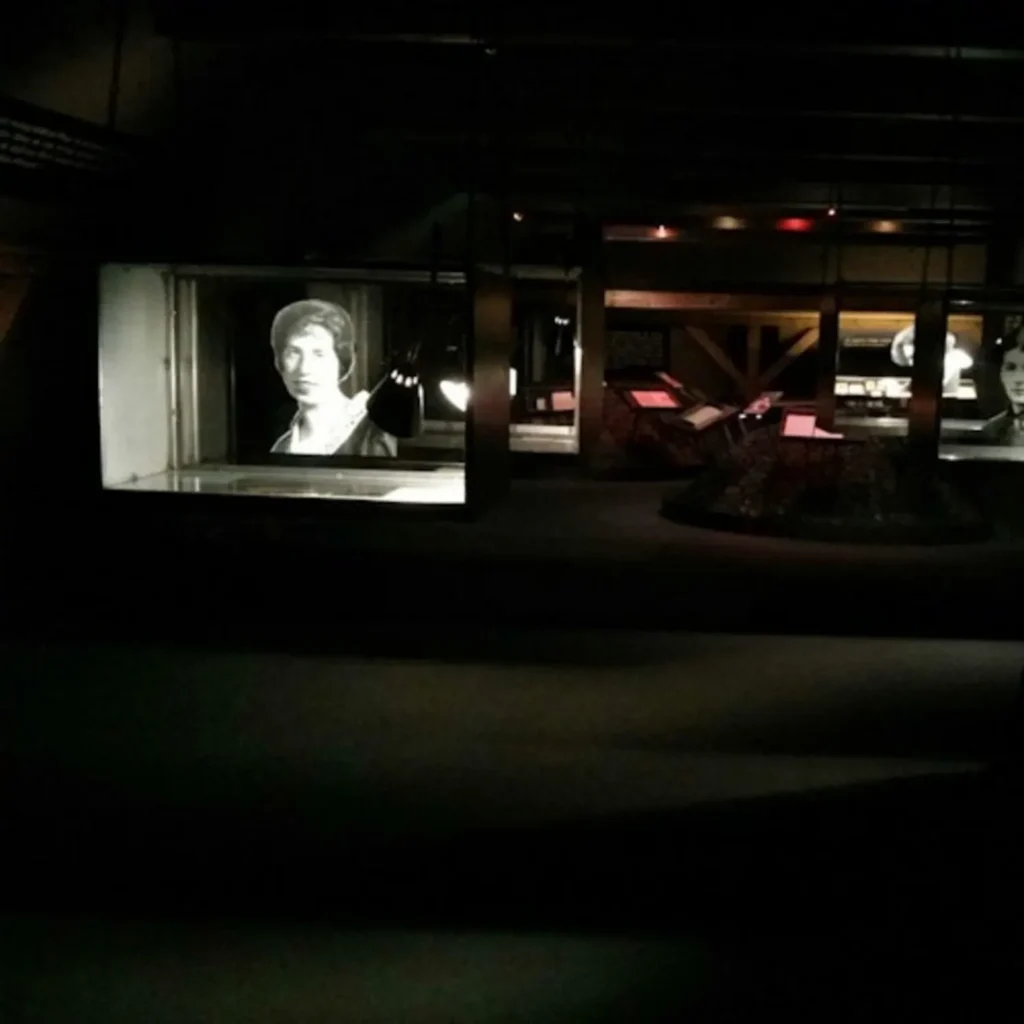
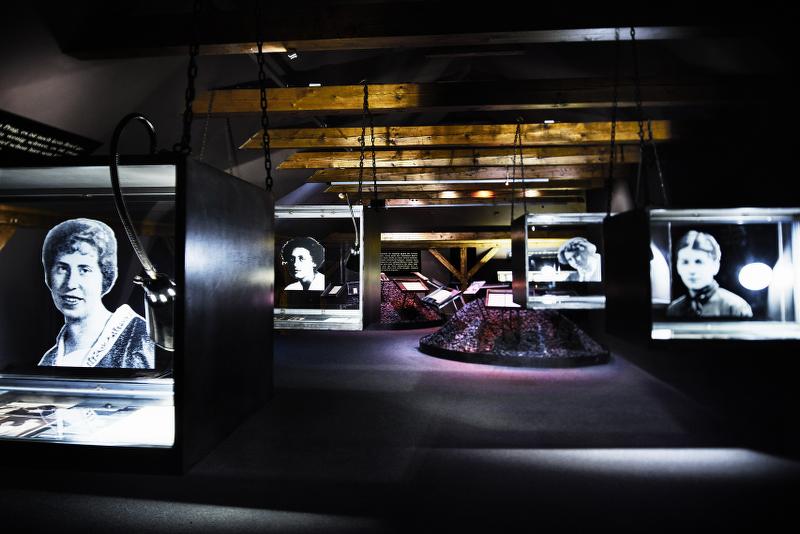
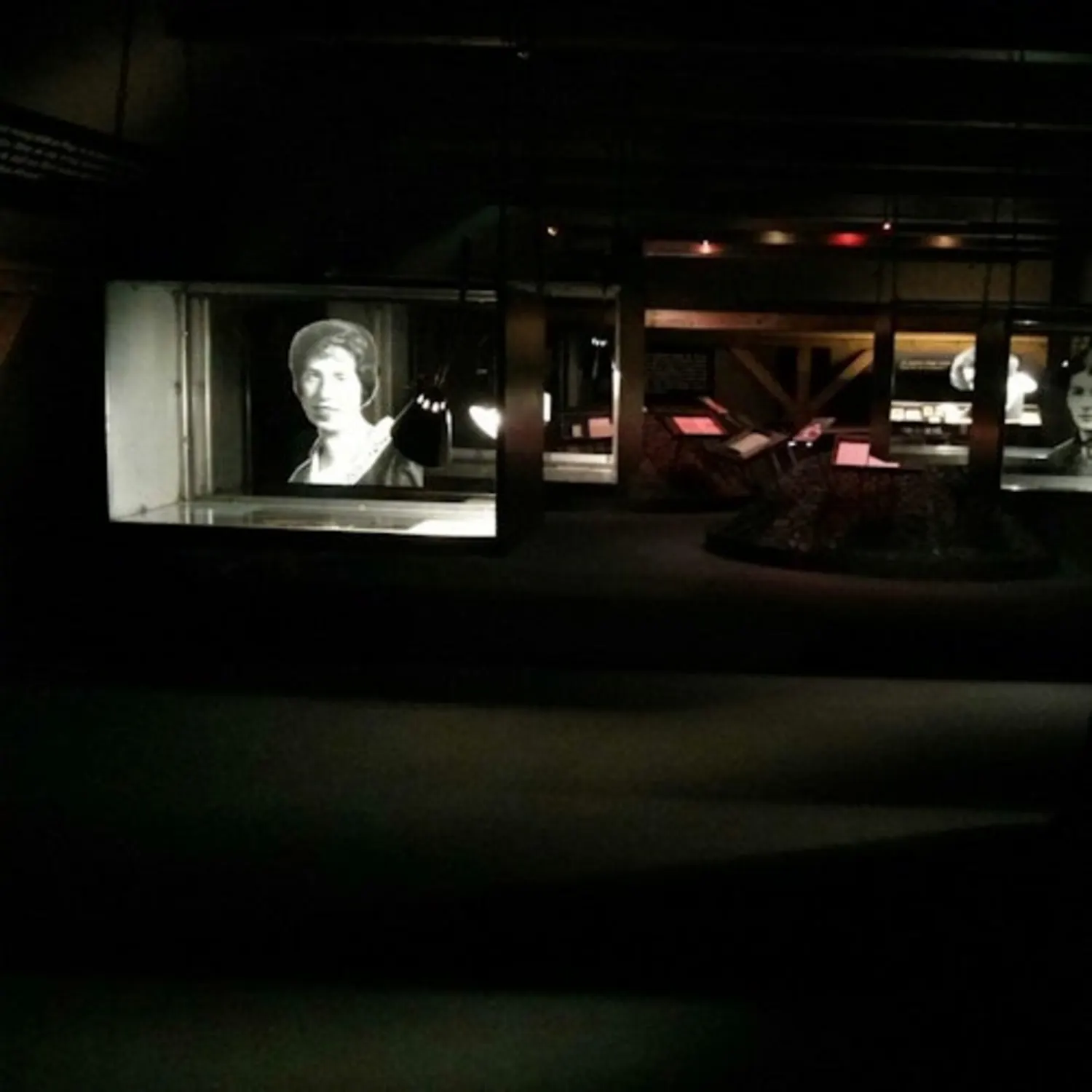
Expect a somber and atmospheric environment, as the exhibition uses dark lighting and haunting soundtracks to mirror Kafka’s literary themes.
All informational texts and displays throughout the galleries are presented in Czech, German, and English.
Visitors are required to leave large bags, backpacks, and umbrellas in the cloakroom before entering the exhibition spaces.
Photography is generally restricted inside the galleries to protect the sensitive original documents and first-edition books on display.
The museum is divided into two distinct parts, Existential Space and Imaginary Topography, which should be viewed in sequence for the full experience.
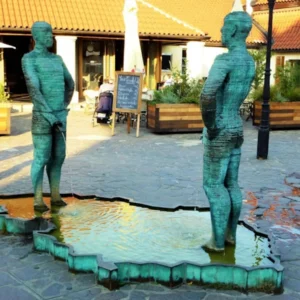
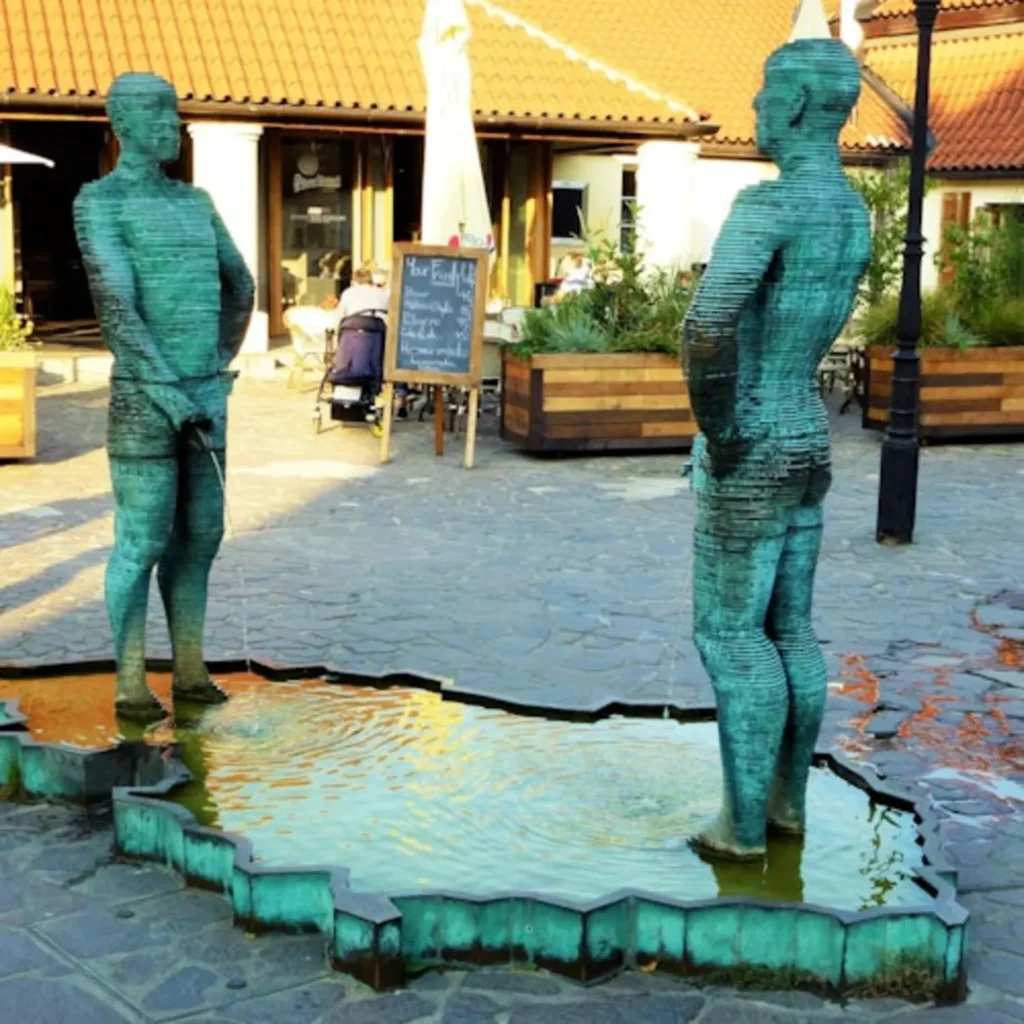
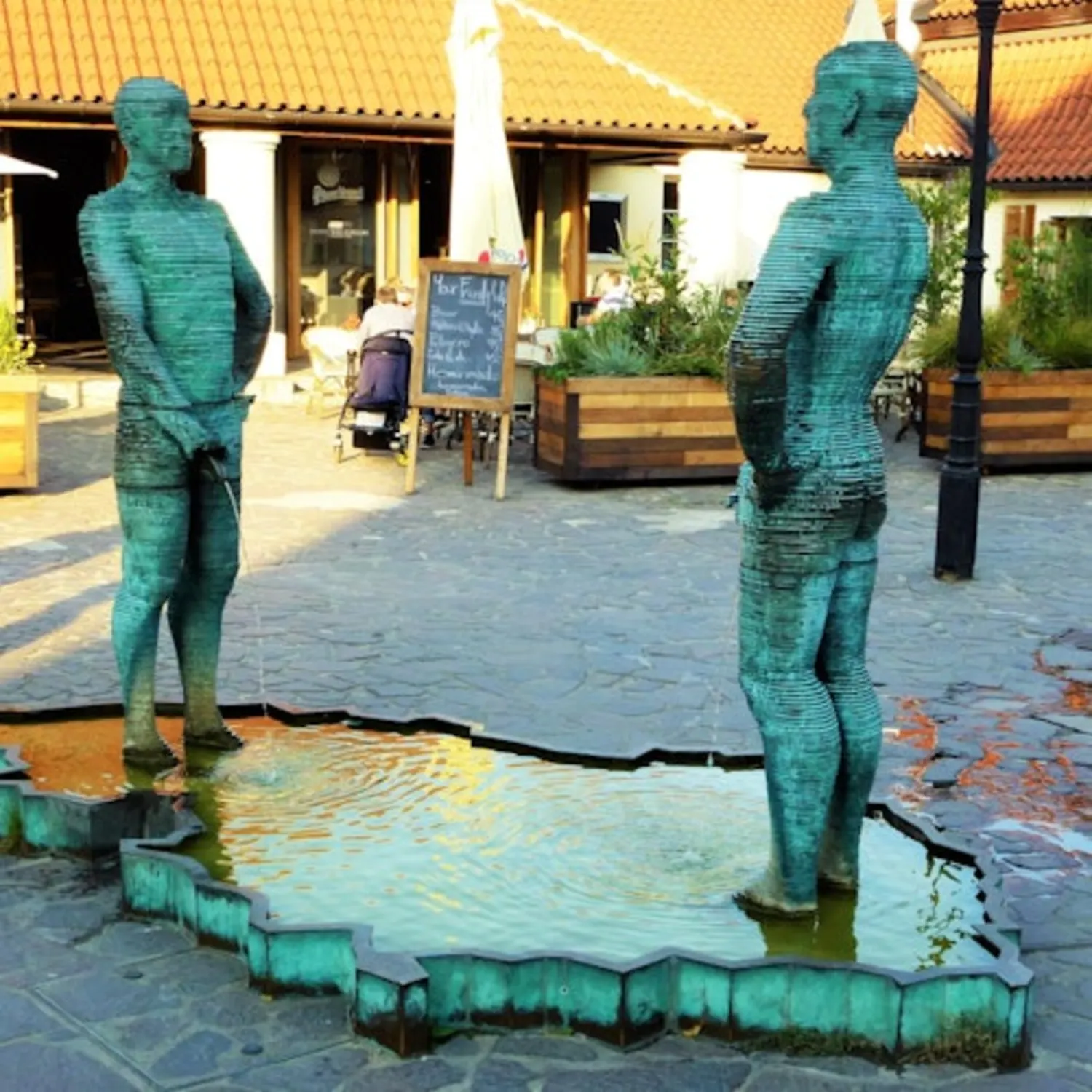
You will encounter the famous “Piss” sculpture by artist David Černý in the courtyard directly outside the museum entrance.
It is advisable to allow at least 90 minutes to fully engage with the complex audiovisual installations and archival materials.
The museum remains open daily, including most public holidays, from 10 AM to 6 PM.
While the museum is accessible via elevator, the external courtyard features traditional cobblestones that may be uneven for some visitors.
Essential Visitor Info
- Timings
- Address & Directions
- Facilities
- Accessibility
About the Franz Kafka Museum
Why Visit the Franz Kafka Museum?
The Permanent Long-Term Exhibition
The museum is divided into two distinct sections, Existential Space and Imaginary Topography, which analyze how Prague shaped Kafka’s identity. Instead of a traditional chronological biography, the exhibition uses high-end audiovisual elements and light design to mirror the atmosphere of his novels.
Rare Original Documents
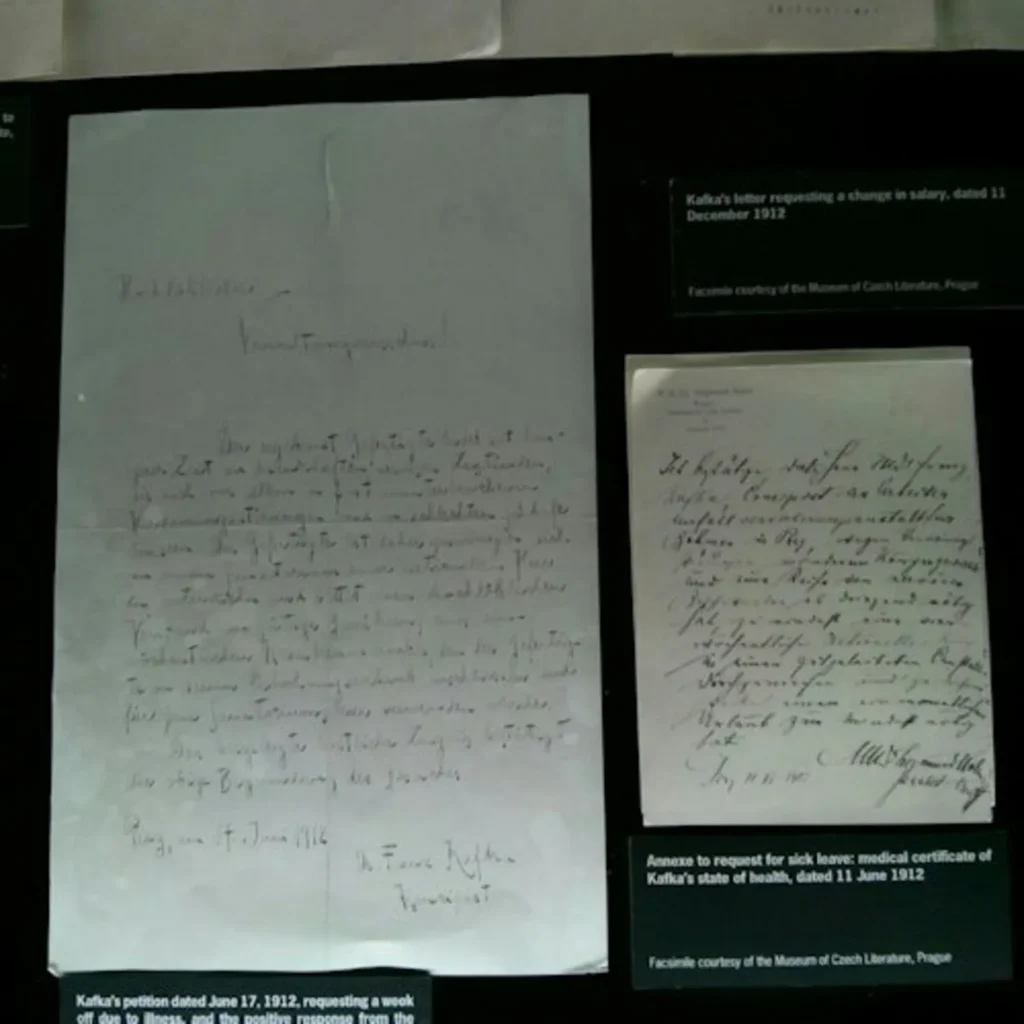
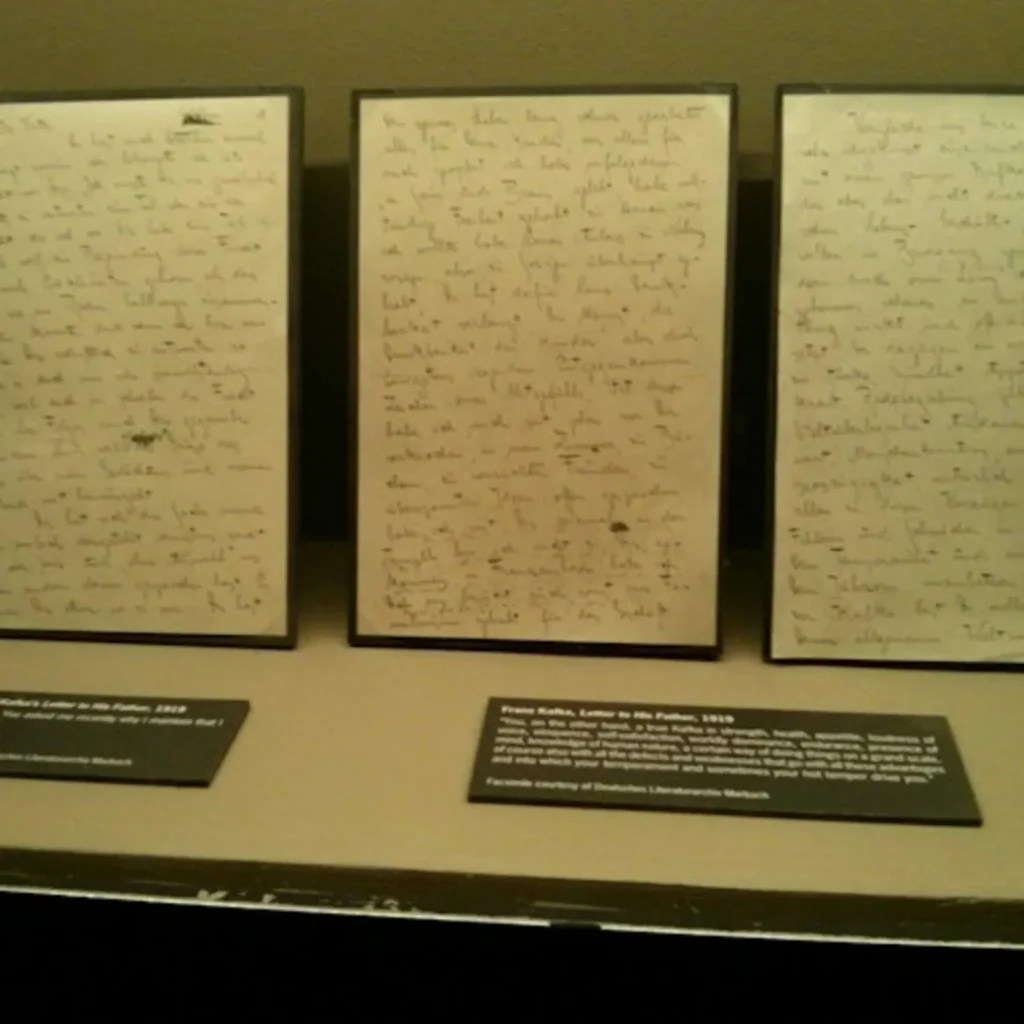
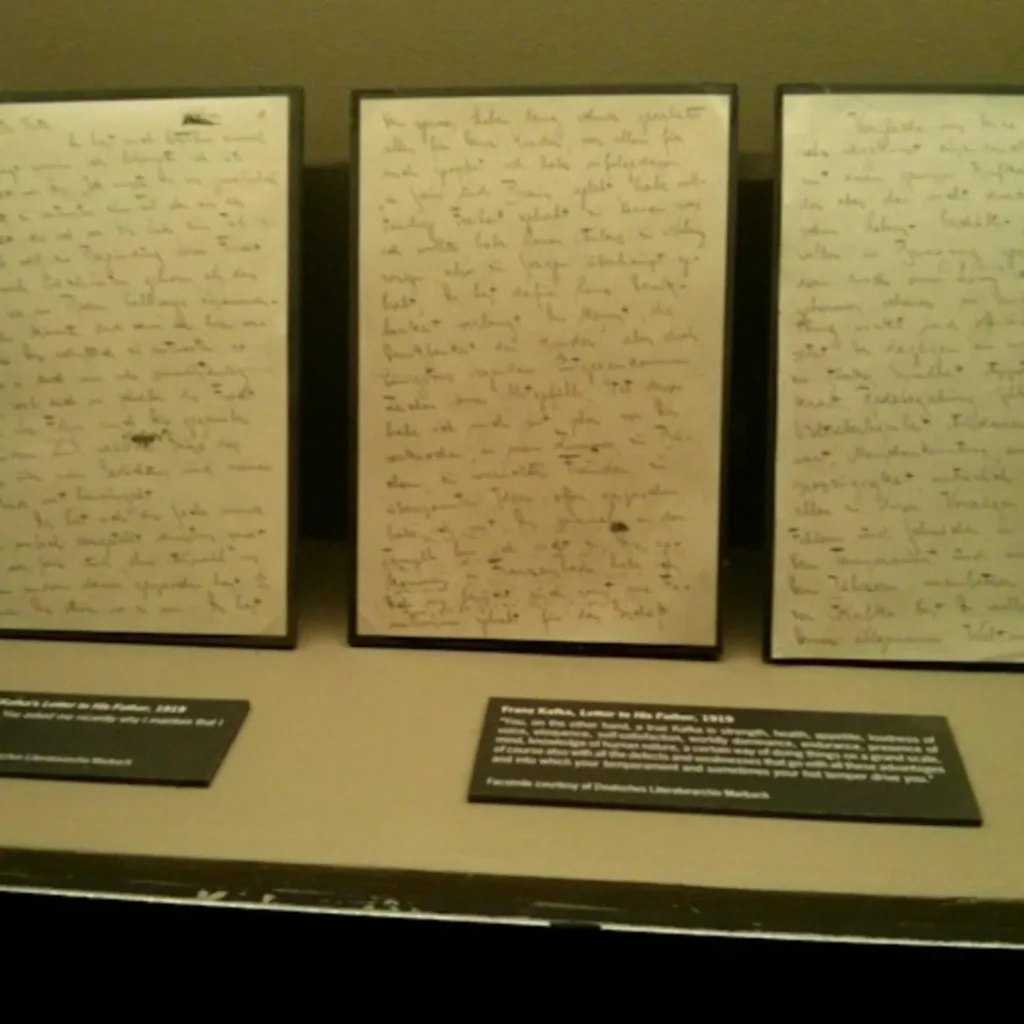
Visitors can view first-edition copies of Kafka’s works, personal correspondence with his family and fiancé Felice Bauer, and original drawings. These artifacts provide a tangible connection to the author's private life and his meticulous creative process that a digital or print reproduction cannot replicate.
Architectural and Artistic Context
Housed in a former eighteenth-century brickworks, the museum’s industrial yet historic setting creates a stark backdrop that complements the themes of Kafka’s writing. The courtyard also features provocative contemporary art, bridging the gap between Prague’s historical literary roots and its modern cultural landscape.
Insight into "Kafkaesque" Prague
The museum meticulously maps the specific locations in Prague that inspired the settings of The Trial and The Castle. It serves as a psychological map of the city, helping visitors understand how the claustrophobic bureaucracy of the late Austro-Hungarian Empire influenced Kafka's unique literary style.
A Multidimensional Sensory Experience
The museum utilizes a combination of 3D installations, haunting soundtracks, and unique lighting to create an environment that feels like stepping into a Kafkaesque dreamscape. It is designed to be an emotional and intellectual journey rather than a simple walk-through gallery, making it essential for both scholars and casual readers.
Franz Kafka Museum - Additional Info
- Dining
- Souvenir Store
Interesting Facts about the Franz Kafka Museum
The Franz Kafka Museum is housed in the Hergetova cihelna, a former 18th-century brickworks located on the banks of the Vltava River.
The permanent exhibition, titled The City of K., was originally created in 1999 for the Centre de Cultura Contemporània in Barcelona.
After its successful debut in Barcelona, the exhibition traveled to the Jewish Museum in New York before finding a permanent home in Prague in 2005.
The museum specifically avoids a traditional chronological biography in favor of a thematic, philosophical exploration of Kafka's relationship with the city.
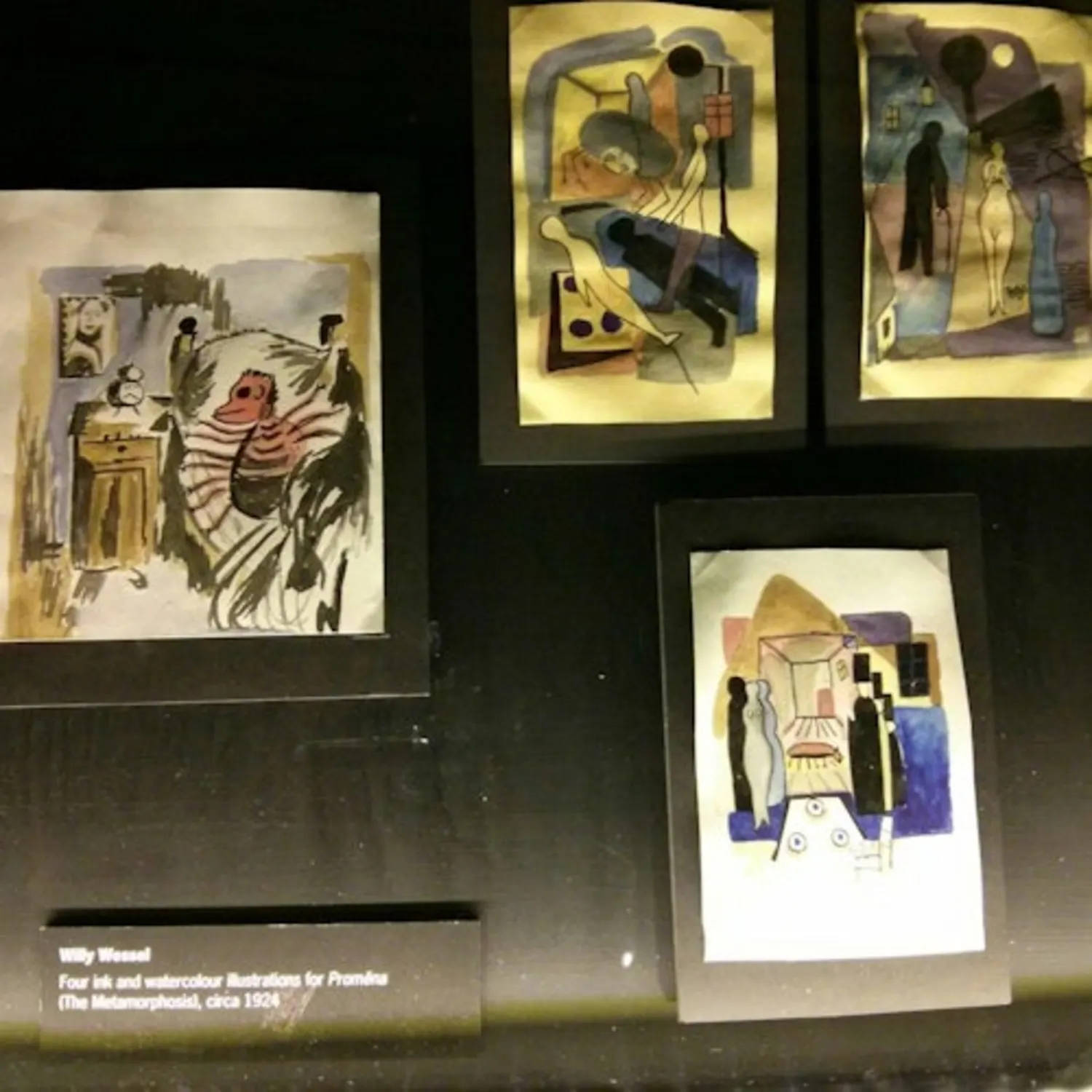
One of the most valuable items on display is a first-edition copy of The Metamorphosis, published in 1915.
The exhibition's "Existential Space" section focuses on how the physical reality of Prague transformed into a metaphorical landscape in Kafka's mind.
The "Imaginary Topography" section analyzes how Kafka’s stories utilized architectural symbols that mirrored the labyrinthine streets of his hometown.
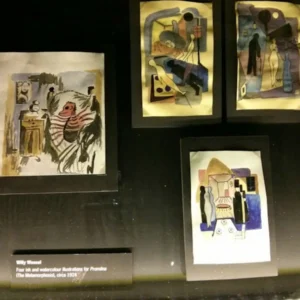
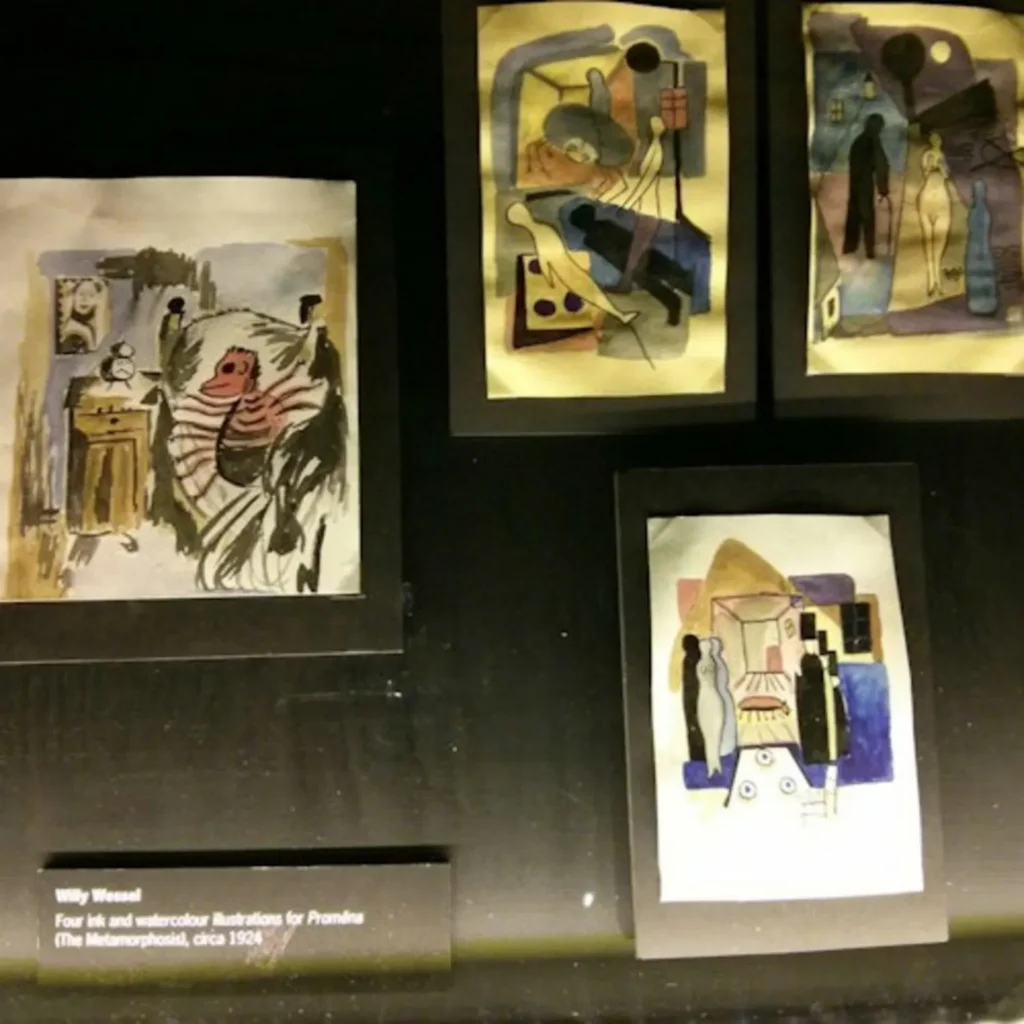
Visitors can view original drawings by Kafka, which reveal a minimalist and expressive artistic style that complements his literary work.
The museum’s courtyard features the "Piss" sculpture by David Černý, which depicts two mechanical bronze figures urinating into a basin shaped like the Czech Republic.
The fountain sculpture is interactive, as the movement of the figures is programmed to spell out quotes from famous literary works via the water stream.
The interior design of the museum utilizes sophisticated light and shadow play to evoke the claustrophobic and bureaucratic atmosphere of Kafka’s novels.
A dedicated portion of the archives displays personal letters and postcards sent by Kafka to his family and his fiancée, Felice Bauer.
The museum is situated in the Malá Strana district, only a few hundred meters from the house where Kafka was born near Old Town Square.
The exhibition includes rare film footage and 3D installations that reconstruct the visual aesthetic of early 20th-century Prague.
The museum shop is considered one of the most specialized Kafka bookstores in the world, offering his works in dozens of different languages.
Frank Kafka Museum - Highlights in Pictures
 English
  Español
  Deutsch
  Português do Brasil
  Français
  Čeština